
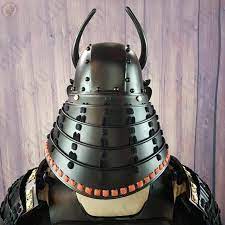
The samurai, legendary warriors of feudal Japan, were not only known for their martial prowess but also for their distinctive armor and weaponry. Among the various pieces of armor worn by samurai, the bracelets, or kote, stand out as unique examples of functional artistry. Crafted with meticulous attention to detail and adorned with intricate designs, samurai bracelets served not only as protective gear but also as symbols of status, honor, and craftsmanship. In this article, we delve into the world of samurai bracelets, exploring their historical significance, design elements, and enduring legacy as wearable art.
Historical Significance
Samurai bracelets, or kote, were an essential component of the samurai’s armor ensemble, protecting the arms and wrists during battle. Made from various materials such as leather, metal, and lacquered plates, these bracelets were designed to deflect blows from swords, spears, and arrows while allowing the wearer freedom of movement to wield their weapons effectively. The craftsmanship and quality of samurai bracelets were often indicative of the status and wealth of the wearer, with higher-ranking samurai sporting more elaborate and ornate designs.
Design Elements
The design of samurai bracelets was influenced by both functional and aesthetic considerations. Constructed using traditional Japanese metalworking techniques such as forging, engraving, and lacquering, these bracelets featured intricate patterns, motifs, and embellishments that reflected the cultural and artistic sensibilities of the time. Common design elements found on samurai bracelets include geometric patterns, floral motifs, mythical creatures, and family crests known as Mon. These designs were not only decorative but also served symbolic purposes, representing virtues such as bravery, loyalty, and honor.
Craftsmanship and Artistry
The creation of samurai bracelets required exceptional skill and craftsmanship, with master armorers dedicating years of training and expertise to perfecting their craft. Each bracelet was meticulously crafted by hand, with artisans employing a combination of traditional techniques and innovative methods to achieve desired shapes, textures, and finishes. The use of precious metals, gemstones, and intricate inlay work further enhanced the beauty and prestige of samurai bracelets, transforming them into prized works of art worthy of admiration and reverence.
Symbolism and Status
In addition to their protective function, samurai bracelets served as symbols of status, rank, and identity. Higher-ranking samurai often wore bracelets adorned with elaborate designs and luxurious materials to signify their elevated social standing and martial prowess. Family crests, known as mon, were commonly incorporated into the design of samurai bracelets to denote lineage and allegiance. As such, these bracelets were not only practical accessories but also potent symbols of honor, heritage, and belonging within the samurai warrior class.
Enduring Legacy
Despite the decline of the samurai class and the modernization of Japanese society, the legacy of samurai bracelets continues to endure as a testament to the rich cultural heritage of Japan. Today, samurai bracelets are revered as valuable artifacts and prized collectibles, sought after by collectors, historians, and enthusiasts alike. Replicas and reproductions of samurai bracelets are also popular among martial artists and cosplayers, who seek to honor and celebrate the spirit of the samurai through their attire and accessories.
Evolution and Adaptation
Over the centuries, the design and construction of samurai bracelets evolved in response to changes in warfare, fashion, and technological advancements. During periods of peace, samurai armor became more ornate and decorative, with bracelets featuring elaborate designs and luxurious materials. Conversely, during times of conflict, armor tended to prioritize functionality over aesthetics, with samurai opting for lighter, more flexible bracelets that offered greater mobility on the battlefield. Additionally, the influence of foreign cultures, such as China and Korea, introduced new materials and techniques that enriched the diversity of samurai bracelet craftsmanship. Despite these changes, the fundamental purpose of samurai bracelets remained constant: to protect the warrior in combat while embodying the values of honor, loyalty, and discipline.
Cultural Significance and Symbolism
Beyond their practical utility, samurai bracelets held profound cultural significance and symbolism within Japanese society. As symbols of the samurai’s status and honor, these bracelets were often passed down through generations as heirlooms, cherished for their historical value and sentimental meaning. In traditional Japanese folklore and literature, samurai bracelets are frequently depicted as symbols of courage and resilience, worn by legendary warriors who exemplified the virtues of loyalty, integrity, and self-sacrifice. Today, samurai bracelets continue to resonate with audiences worldwide, serving as potent symbols of Japan’s rich cultural heritage and enduring legacy of warrior tradition.
Modern Interpretations and Inspirations
In contemporary times, the aesthetic appeal and timeless elegance of samurai bracelets continue to inspire artists, designers, and fashion enthusiasts around the globe. From haute couture runways to streetwear trends, elements of samurai armor, including bracelets, are frequently incorporated into modern fashion collections, paying homage to the craftsmanship and heritage of Japanese armor. Furthermore, the popularity of martial arts disciplines such as kendo and iaido has led to a resurgence of interest in traditional Japanese armor and weaponry, with practitioners seeking authentic replicas of samurai bracelets to enhance their training experience and connect with the warrior ethos of the past. As a result, samurai bracelets remain as relevant and captivating today as they were centuries ago, serving as enduring symbols of strength, honor, and artistic expression in the modern world.
Conclusion
In conclusion, samurai bracelets represent more than just pieces of armor; they are tangible expressions of Japan’s rich cultural heritage and martial tradition. From their intricate designs and symbolic motifs to their enduring legacy and modern interpretations, samurai bracelets continue to captivate the imagination and inspire admiration for the noble spirit of the samurai warrior. As wearable art, these bracelets serve as reminders of the craftsmanship, valor, and timeless elegance that define the legacy of the samurai in Japanese history and global culture.