
In the world of wine, the art of aging and cellaring is often associated with reds and whites, but what about orange wine? Monje Orange Wine, with its unique characteristics and bold flavors, presents an intriguing subject for exploration in this regard.
In this article, we delve into the aging potential of Monje Orange Wine and uncover the optimal conditions for preserving its quality and complexity over time. We’ll also discuss how the aging process shapes the flavor profile, texture, and overall character of this distinctive wine.
Understanding Monje Orange Wine
Crafted on the sun-kissed slopes of the Canary Islands, the essence of Monje Orange Wine is a testament to centuries-old winemaking traditions blended with modern innovation.
Made from indigenous grape varieties such as French Colombard, and Albariño, Monje Orange Wine undergoes extended skin contact during fermentation, resulting in its distinctive amber hue and rich, complex flavors.
Aging Potential
Contrary to common misconception, orange wine is not only suitable for immediate consumption but also possesses remarkable aging potential. When properly cellared, Monje Orange Wine can evolve gracefully over several years, unlocking new layers of flavor and complexity.
However, it’s crucial to understand that not all orange wines are created equal in terms of aging potential. Monje Orange Wine, with its robust structure and balanced acidity, stands out as a prime candidate for cellaring.
Optimal Cellaring Conditions
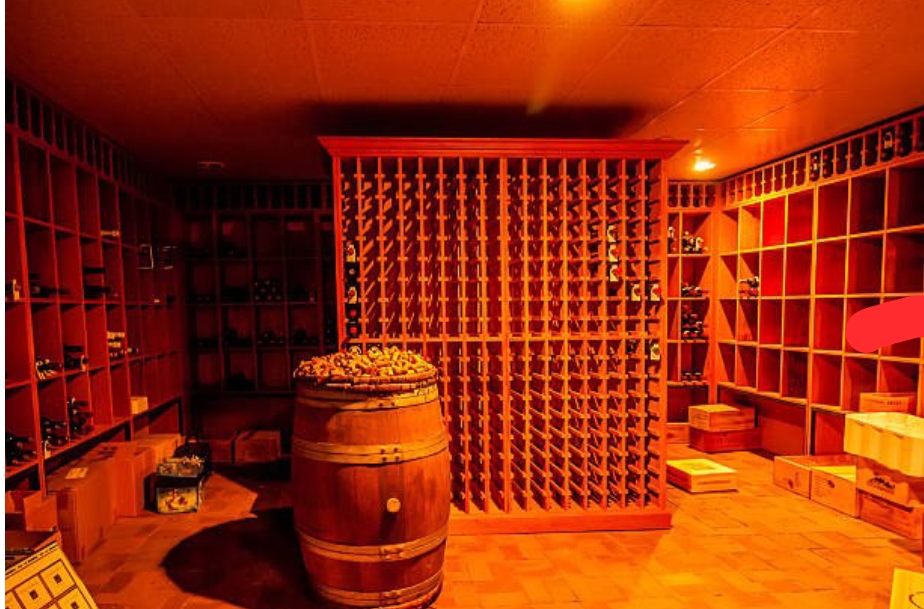
To maximize the aging potential of Monje Orange Wine, it’s essential to provide the right environment. Here are some key factors to consider:
- Temperature: Maintain a consistent temperature between 55°F and 60°F (13°C and 15.5°C) to ensure slow and steady aging without fluctuations that could compromise the wine’s integrity.
- Humidity: Aim for a humidity level of around 60-70% to prevent corks from drying out and oxidation from occurring.
- Light: Store Monje Orange Wine in a dark or dimly lit space to shield it from harmful UV rays, which can degrade the wine over time.
- Position: Store bottles horizontally to keep the cork moist and maintain a proper seal, preventing air from entering the bottle.
- Stability: Minimize vibrations and disturbances to allow the wine to settle undisturbed during the aging process.
Impact of Aging
As Monje Orange Wine matures in the cellar, its flavor profile undergoes a fascinating transformation. Initially vibrant and fruit-forward, the wine gradually develops more nuanced aromas of dried fruits, honey, and exotic spices.
The texture becomes smoother and more velvety, with tannins integrating seamlessly to enhance the wine’s structure. Overall, aging lends Monje Orange Wine a heightened sense of elegance and sophistication, elevating it to new heights of complexity and refinement.
Conclusion
Monje Orange Wine stands as a shining example of aging potential and cellar-worthiness. By understanding the optimal conditions for cellaring and embracing the aging process, wine enthusiasts can unlock the full potential of this remarkable wine. With patience and care, Monje Orange Wine rewards aficionados with a sensory journey that transcends time, delivering an experience that is as timeless as it is exquisite.