
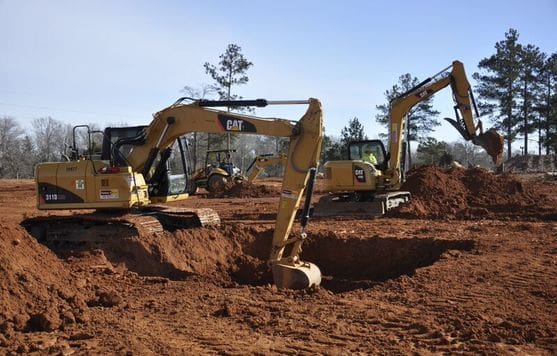
Heavy equipment refers to large machinery used in construction, mining, agriculture, and other industries. These machines are designed to perform heavy-duty tasks that are difficult or impossible for humans to do manually. Heavy equipment typically includes excavators, bulldozers, backhoes, cranes, loaders, and more.
The use of heavy equipment has revolutionized the construction industry, allowing for faster and more efficient completion of projects. With the help of heavy equipment, construction workers can move large amounts of dirt, rocks, and other materials quickly and safely. Heavy equipment also allows workers to reach high places and work with heavy objects that would otherwise be impossible to move.
While heavy equipment has many benefits, it also requires specialized training and safety precautions. Operators must be properly trained to use the equipment safely, and proper maintenance is essential to keep the machines in good working order. Despite the challenges, heavy equipment continues to play a crucial role in many industries, and advancements in technology are making these machines even more powerful and efficient.
Efficient construction sites rely on a range of heavy equipment to complete various tasks. For specialized services, such as septic system installation, it’s crucial to work with experienced professionals. Consider hiring the leading septic excavation contractor in Gresham for reliable and expert services that ensure your project is handled with the utmost care and precision.
Types of Heavy Equipment
There are different types of heavy equipment, each serving a specific purpose in construction, mining, and other industries. Here are some of the most common types of heavy equipment:
Earthmoving Machinery
Earthmoving machinery is used to move large amounts of earth, soil, and other materials. This type of machinery includes bulldozers, excavators, loaders, and backhoes. Bulldozers are used to push and move large amounts of soil and debris, while excavators are used to dig and remove soil. Loaders are used to move materials from one place to another, and backhoes are used for digging and excavation work.
Lifting Machinery
Lifting machinery is used to lift and move heavy objects. This type of machinery includes cranes, hoists, and forklifts. Cranes are used to lift and move heavy objects, while hoists are used to lift and move smaller objects. Forklifts are used to move heavy objects around warehouses and other locations.
Hauling Equipment
Hauling equipment is used to transport heavy materials and equipment from one location to another. This type of equipment includes dump trucks, trailers, and other vehicles designed for heavy hauling. Dump trucks are used to transport large amounts of soil, debris, and other materials, while trailers are used to transport heavy equipment and machinery.
Road Construction Machinery
Road construction machinery is used to build and maintain roads, highways, and other infrastructure. This type of machinery includes asphalt pavers, rollers, and graders. Asphalt pavers are used to lay asphalt on roads, while rollers are used to compact the asphalt and make it smooth. Graders are used to level and smooth the road surface.
In conclusion, heavy equipment plays a crucial role in various industries, and it’s important to choose the right type of equipment for a specific task. By understanding the different types of heavy equipment, you can make informed decisions when it comes to selecting the right equipment for your project.
Operating Heavy Equipment
Safety Protocols
When operating heavy equipment, safety should always be the top priority. It is important to follow safety protocols to prevent accidents and injuries. Some of the safety protocols include wearing appropriate personal protective equipment such as hard hats, safety glasses, and steel-toed boots. The operator should also make sure that the equipment is in good working condition before starting the job. The area where the equipment will be used should be checked for any potential hazards such as power lines or underground utilities. The operator should also be aware of the weather conditions and adjust their driving accordingly.
Maintenance and Repair
Proper maintenance and repair of heavy equipment is crucial to ensuring its longevity and safety. It is important to follow the manufacturer’s recommended maintenance schedule and to perform regular inspections of the equipment. Any issues or concerns should be addressed immediately to prevent further damage or safety hazards. The operator should also be trained to perform basic maintenance tasks such as checking fluids and changing filters.
Training and Certification
Operating heavy equipment requires specialized skills and knowledge. Proper training and certification are necessary to ensure that the operator is competent and capable of safely operating the equipment. The operator should receive training on the specific equipment they will be operating and should be familiar with the manufacturer’s guidelines and safety protocols. Certification programs are available through organizations such as the National Commission for the Certification of Crane Operators (NCCCO) and the International Union of Operating Engineers (IUOE).
Overall, operating heavy equipment requires a combination of technical knowledge, safety protocols, and proper training. By following these guidelines, operators can ensure that they are operating the equipment safely and effectively.