
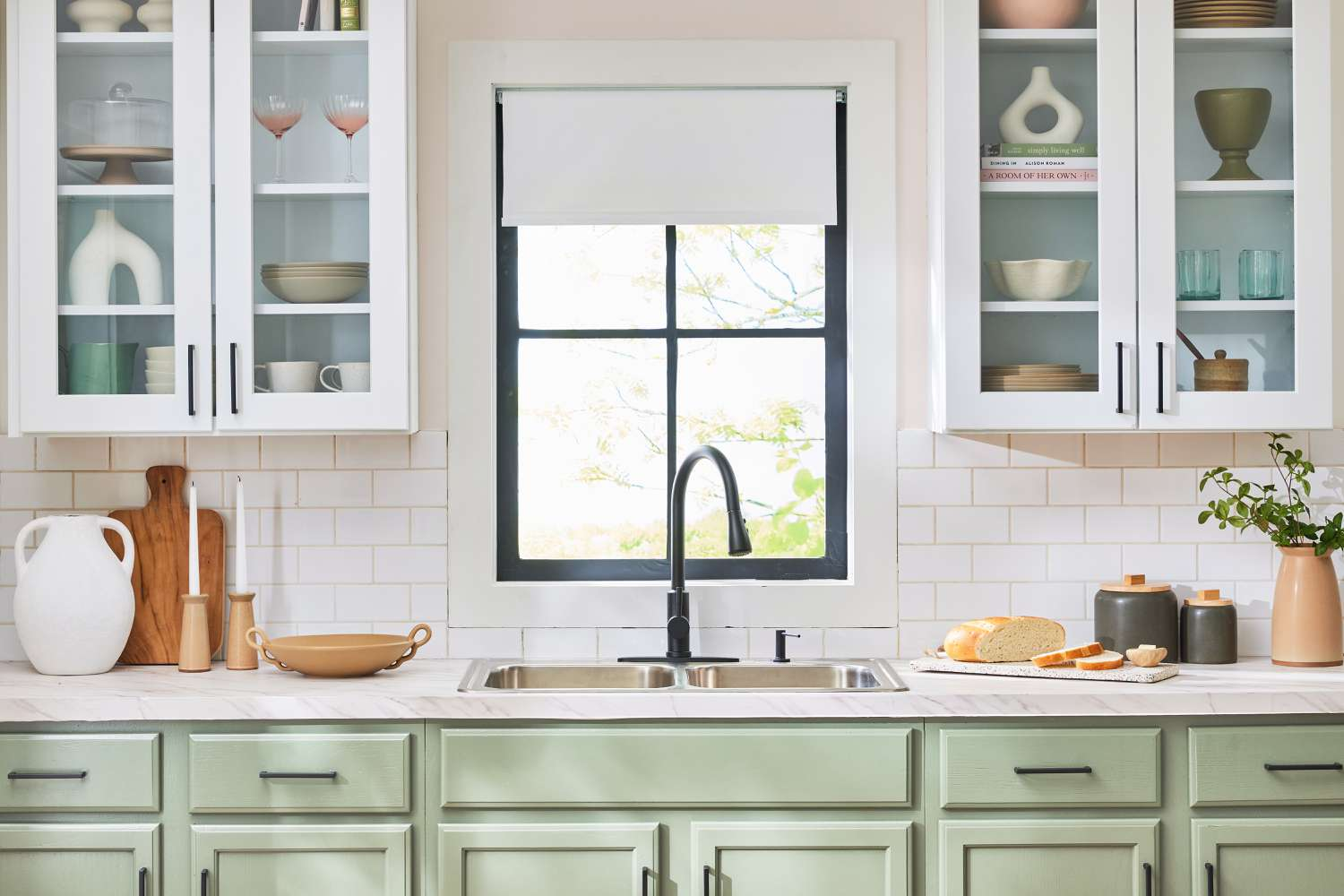
The kitchen is the heart of the home, and cabinets are its unsung heroes. They store our essentials, showcase our style, and often set the tone for the entire space. But what happens when those once-pristine cabinets start to show the wear and tear of time? Homeowners and aficionados alike find themselves at the crossroads of resurfacing and refacing, two renovation techniques that are more similar than they seem, yet distinctly different.
In this comprehensive guide, we’ll dissect the nuances of resurfacing and refacing your kitchen cabinets. Whether you’re a DIY enthusiast eager to refresh your home’s look or a homeowner navigating the kitchen remodeling process, understanding which approach best suits your needs is paramount.
Resurfacing Kitchen Cabinets
What is Resurfacing?
Resurfacing cabinets involves the process of updating the existing cabinet doors and drawer faces with a new material, typically wood veneer, laminate, or paint. The cabinet boxes themselves remain intact, making resurfacing a popular choice for those satisfied with the current layout and functionality of their kitchen.
The Resurfacing Process
The first step in resurfacing is preparing the existing surfaces by cleaning and sanding to ensure a proper bond with the new material. Then, the chosen veneer or laminate is applied to the face frames and exterior cabinet sides. For a painted finish, thorough priming is essential. Finally, new hardware, such as handles and knobs, can be installed to complete the new look.
Pros and Cons of Resurfacing
Pros
- Cost-Effective Solution: Resurfacing is generally more affordable than refacing due to its less-labor intensive process.
- Minimal Disruption: Because the cabinet boxes stay in place, resurfacing can often be completed quicker with less demolition and mess.
Cons
- Limited Aesthetics: While resurfacing can offer a refreshed appearance, it may not have the same ‘brand new’ look as refacing.
- Durability Concerns: The longevity of the resurfacing materials can vary, with some less resistant to wear and tear over time.
Cost Comparison
On average, resurfacing kitchen cabinets can cost about 30-50% less than refacing, with the national average sitting at around $5000 for a standard kitchen.
Best Practices and Tips for Resurfacing
- Properly sand and clean existing surfaces to achieve a professional-looking finish.
- Consider professional installation for laminate or veneer to avoid air bubbles and misalignment.
- Invest in high-quality materials for the best long-term results.
Refacing Kitchen Cabinets
What is Refacing?
Cabinet refacing is a more thorough process that entails replacing the cabinet doors and drawer fronts, as well as applying a veneer to the cabinet boxes’ visible surfaces. This method is like giving your kitchen a new face while maintaining the original structure.
The Refacing Process
The process begins with removing the old doors, drawer fronts, and hardware, and cleaning and preparing the cabinet boxes. New veneer is then applied to the existing cabinet panels. Custom-made doors and drawers—available in a wide array of styles—are attached, and the finishing touches, such as molding and lighting, are added to complete the transformation.
Pros and Cons of Refacing
Pros
- Extended Lifespan: Refacing often involves higher-quality materials and craftsmanship, leading to a longer-lasting solution.
- Superior Aesthetics: The replacement of doors and drawers offers a more consistent, ‘brand new’ appearance than resurfacing alone.
Cons
- Higher Upfront Cost: Refacing is a more substantial investment than resurfacing but is often seen as a cost-effective alternative to completely new cabinets.
Cost Comparison
The national average for refacing kitchen cabinets falls in the range of $7500 to $10000, reflecting the more thorough nature of this process.
Best Practices and Tips for Refacing
- Work with experienced professionals or utilize detailed guides for accurate measurements for door and drawer front replacements.
- Choose durable and timeless materials to ensure a long-lasting and aesthetically pleasing result.
- If desired, take the opportunity to reconfigure the cabinet layout for improved functionality.
Key Differences between Resurfacing and Refacing
When evaluating the differences between resurfacing and refacing, consider the following key points:
Material Changes
Resurfacing often updates the existing material with a new layer, while refacing introduces new materials in the form of doors and drawer fronts, often integrating complementary veneers for a cohesive look.
Labor Intensity
Refacing generally involves more intricate labor, such as the creation of custom doors and precise application of new veneer, compared to the surface-level work of resurfacing.
Customization Options
Refacing provides a wider scope for custom design, from custom door sizes to the incorporation of additional features, compared to the more limited options of resurfacing.
Factors to Consider for Homeowners
Budget Considerations
If budget is your primary concern, resurfacing may be the most cost-effective solution. However, if you can stretch your finances slightly further, refacing offers superior durability and a more custom look.
Design Preferences
Those with a very specific aesthetic in mind that cannot be achieved through resurfacing alone may find the customization of refacing more appealing. However, for a more subtle or budget-friendly update, resurfacing can serve well.
Timeframe and Project Complexity
Resurfacing is a quicker project by its nature, with fewer stages and less intricate work. Refacing, while more time-consuming, can often be completed within a reasonable timeframe without causing prolonged disruption.
When deciding between resurfacing and refacing your kitchen cabinets, the choice ultimately boils down to your individual needs, preferences, and budget. Whether you opt for a budget-friendly resurfacing project or the more extensive transformation of refacing, both can breathe new life into your kitchen.